The so-called dopamine problem. Getting hooked on smartphones, YouTube, and games is widely seen as a problem. These activities get called "cheap dopamine." Cheap dopamine is treated as a problem because it drags down our productivity.
The fashionable answers to this seem to be "choose pain" or "hack your dopamine." Do a digital detox, take cold showers to boost your dopamine output, or swap your smartphone addiction for a book addiction — that sort of thing.
But I think none of these methods get at the root of it. If they worked, they'd have made the rounds in the college-entrance-exam world first, and cold showers would be part of drug addiction treatment. They might hold up for a day or two, but they aren't sustainable. They're hollow methods.
I think what gets called the dopamine problem is actually, at its root, caused by a lack of cultural capital. Which means building up cultural capital is the real answer. In this letter, I want to offer a slightly different perspective on the dopamine problem. I hope this strategy helps you become more productive.

It isn't a problem with dopamine itself
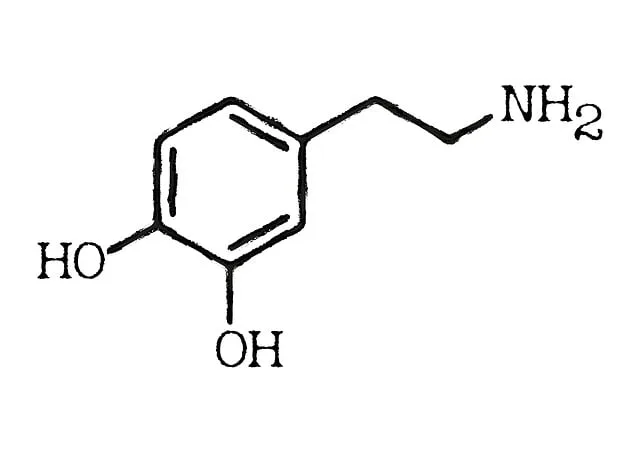
The first thing to consider is that the dopamine problem isn't a problem with dopamine itself. There's nothing wrong with the neurotransmitter. If having too much or too little dopamine were the problem, you could go to a psychiatrist and take medication. There are drugs that lower dopamine and drugs that raise it. There's no need to go taking cold showers. I think self-help messaging is causing a social problem by keeping people who need medical care from seeking it. The cause of the cheap dopamine problem isn't dopamine itself — it's that "I feel pleasure while doing unproductive things."
There's no such thing as "dopamine hacking" that makes boring things fun
So people try to turn productive activities, or obligations, into sources of pleasure in place of unproductive ones. The famous dopamine hack. But you can't turn boring work into a hobby. If a method like that existed, it would have spread through the exam-prep world first, and top students would be clocking 18 hours of pure study time. Finding productive work fun is the territory of getting paid to do what you love. And that kind of alignment is genuinely a blessing. As the saying goes, you can't beat someone who enjoys it.
All sorts of self-help skills show up promising to make boring work a little bit fun. Gamification, say, or writing a to-do list and getting a sense of accomplishment from crossing items off. It's all nonsense. Boring is boring no matter how you dress it up. If the movie itself is boring, what good does it do to make the edges of the screen sparkle or the seats more comfortable? Again: if a method like that existed, it would have made the rounds in the exam-prep world first.
Turning boring work into something enjoyable would take a lot of environmental support. You'd need people who give you feedback and cheer you on while you do the boring activity. Maybe you'd also need a rival right in front of you. This isn't something you fix by changing your personal mindset — it's something you fix by throwing money at it. Most people aren't in a position to build that kind of environment.
Some of you are drowning in obligations that force you to do boring activities. For those people there's no way around it — you're stuck using the self-help methods that are already everywhere, like putting your phone away or trying to focus for just five minutes.

"Deliberately choose pain!" is unsustainable
There's also the message that you should deliberately choose pain. This one is so hollow it hardly merits discussion. You can choose the more painful option when making a decision. But I think the people who can actually carry out the more painful action are a tiny minority. Maybe a Navy SEAL could. (Again) if deliberately choosing pain worked, every exam candidate would be clocking 18 hours of pure study time.
I think messages like cold showers are nothing more than Miracle Morning 2.0. Supposedly a cold shower makes you realize that life is pain, boosts your dopamine, and has all kinds of other great effects. But if it worked, the US government would have adopted it first. What I mean is, the final boss of the dopamine problem is drug addiction. If a simple cold shower were that effective, the US government would be kidnapping fentanyl addicts and forcing them to do the ice bucket challenge. (I'm joking.)
I've taken plenty of cold showers myself. When I shower cold after a workout, there is a certain elation to it. Life is pain! — and something in you starts to boil. But that's as far as it goes. I never felt any effect like increased productivity. All I got was dry skin and a cold.
This is a separate matter from the dopamine problem, but it's worth asking whether the messages coming at me exist simply to collect likes or to actually deliver results. The simpler and easier to follow a message looks, the less likely it is to work. Because if a method that good existed, everyone would already be doing it. Or it would have been adopted in medicine or in the exam-prep world. Those fields are more desperate, and there's more money moving through them.

For many people, YouTube and shorts are the only hobby they have
In the US, obesity rates are reportedly higher among low-income people than high-income people. The reason given is that low-income people eat cheap junk food that's easy to get hold of. Obesity is a health problem, but its causes actually lie in culture and economics. A phenomenon and its cause can live in completely different fields like this. For these people, rather than a "don't eat junk food!" approach, you'd need to raise their awareness and consumption of healthy food instead of junk food. The same goes for the dopamine problem I'm talking about here.
Cheap dopamine is likely to be the only hobby a modern person has. Because it's easy to access and, more than anything, because people are too busy to enjoy other hobbies. It costs nothing, either. Same reasons as the junk food above. If you weren't watching shorts or YouTube videos, how many people would have another hobby to fill that time? Honestly, not many. Study or work, you say? That's not a hobby. As I said earlier, there's no such thing as dopamine hacking. For most people, the hobbies they lose themselves in are YouTube, shorts, and games. They have no other hobby.
I don't really watch shorts. I do make YouTube content, but apart from when I need to, I don't watch many videos either. The reason is that reading and thinking is more fun. Writing it up in my Zettelkasten is fun too. Coming up with a different perspective and figuring out how to sell it to people is more fun. I like it when people are surprised or supportive, too. (So comments mean a lot.) Of course I could enjoy shorts or YouTube videos. But this is more fun. Doing a wide range of things built up cultural capital, and that's why I stopped. If you love Korean food, you don't really need to eat McDonald's.
You can't deliberately live like a monk. A digital detox will last three days, tops. So the cheap dopamine problem has to be solved by aggressively seeking alternatives rather than by avoidance. The problem for most people is that they have no hobbies or fields of interest. So the right question to throw out isn't "How do I stop doing unproductive things?" but "What topic or activity would I enjoy?" It's a hard question. It's a question you can only answer once you've accumulated cultural capital and self-understanding through a range of experiences.