According to research out of the University of Sydney 1, a five-minute break is enough to restore your focus. No need to take a walk or go bury yourself somewhere out in nature.
The study had 72 university students work on difficult math problems for 20 minutes. Then it split them into three groups:
Move straight on to the next stage with no break
Spend five minutes doing nothing, with only a countdown of the remaining break time on the computer screen
Spend five minutes watching a video of a rainforest
In the next stage, the students were taught a strategy for multiplying two-digit numbers in their heads. Group 1, of course, arrived at this stage straight from the difficult math problems.
After that, they reported how well they felt they had understood the strategy and then actually solved 20 problems. The result: groups 2 and 3 substantially outperformed group 1.
The Break You Forget When You're Busy
When work gets busy, you forget to take breaks. Whether it's pressure or absorption driving it, the time just slips away.
Routine work might be another matter, but if you're reading this newsletter, chances are you're a knowledge worker. You're often learning something new and making something. That takes focus, and focus needs managing even when you're busy. It's a matter of pacing yourself.
Looking at your phone or browsing the web doesn't count as a break, either. If this study is right, you need to do nothing at all or watch a nature video. In other words, take your hands off the phone and the computer and just space out.
The Pomodoro Technique: Old-School but Effective
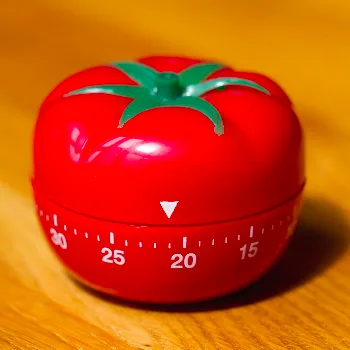
The Pomodoro technique probably needs no introduction. It's the one where you work for 25 minutes and rest for 5, over and over. You can set the intervals to whatever suits you.
To be honest, I hadn't been using the Pomodoro technique much until recently. I was too busy. Even with a timer running, I'd usually just keep working through it. So it didn't take long before I stopped using it altogether.
But as things have gotten busier lately, I've come to see the biggest bottleneck in my productivity. It was energy. Running low on energy, I wasn't getting the results I expected, and then my mood would collapse too. One thing tangled into the next, and my productivity dropped.
After seeing the research above, I figured I should make a deliberate effort to use the Pomodoro technique again, so I've been doing just that. And it has let me stretch out the amount of time I can stay focused in a day. For the record, the Pomodoro app I use is Focus To-Do. It's available on every platform.
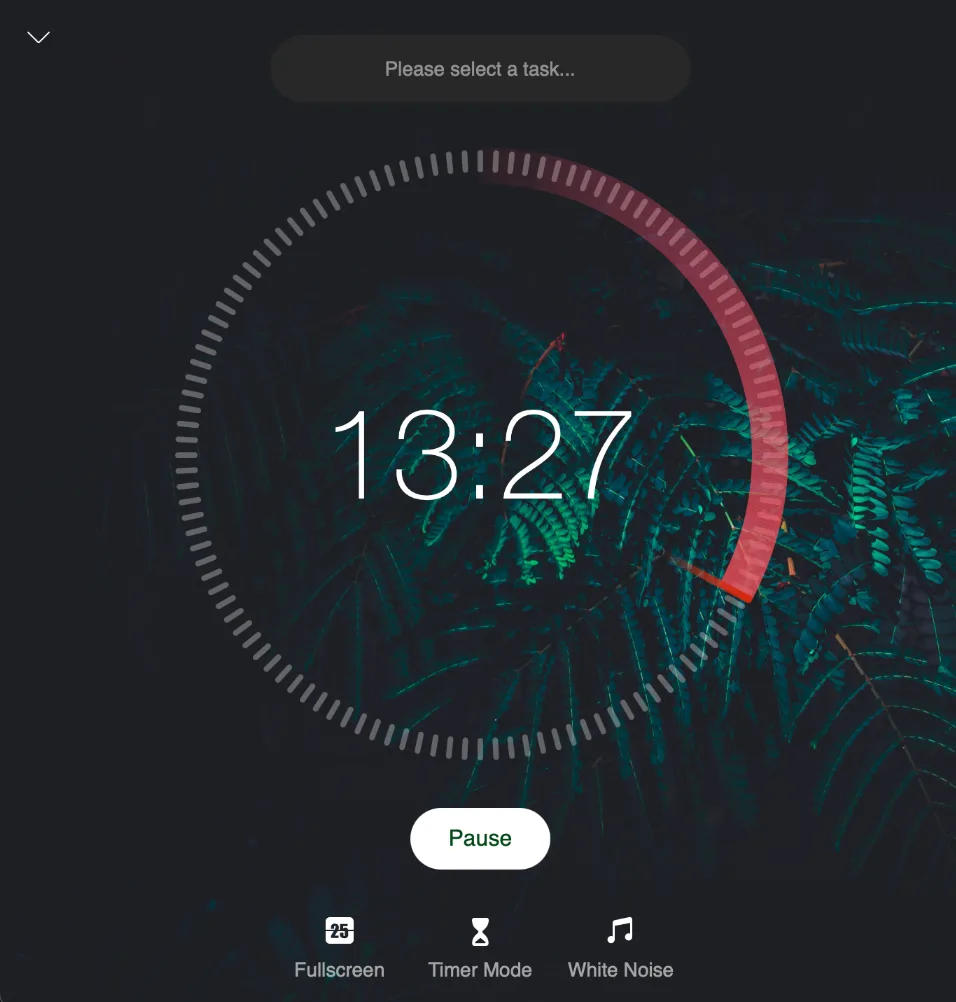
These days I have mine set to 20 minutes of work and 5 minutes of rest. At first 20 minutes feels short, but as the sessions pile up your energy drains and even 20 minutes starts to feel long.
Plenty of you probably already know all this, but some of you may be like me and simply haven't put it to use. I wanted to pair the technique with the research behind it to give you a bit more confidence in it.