I wrote a book for the first time
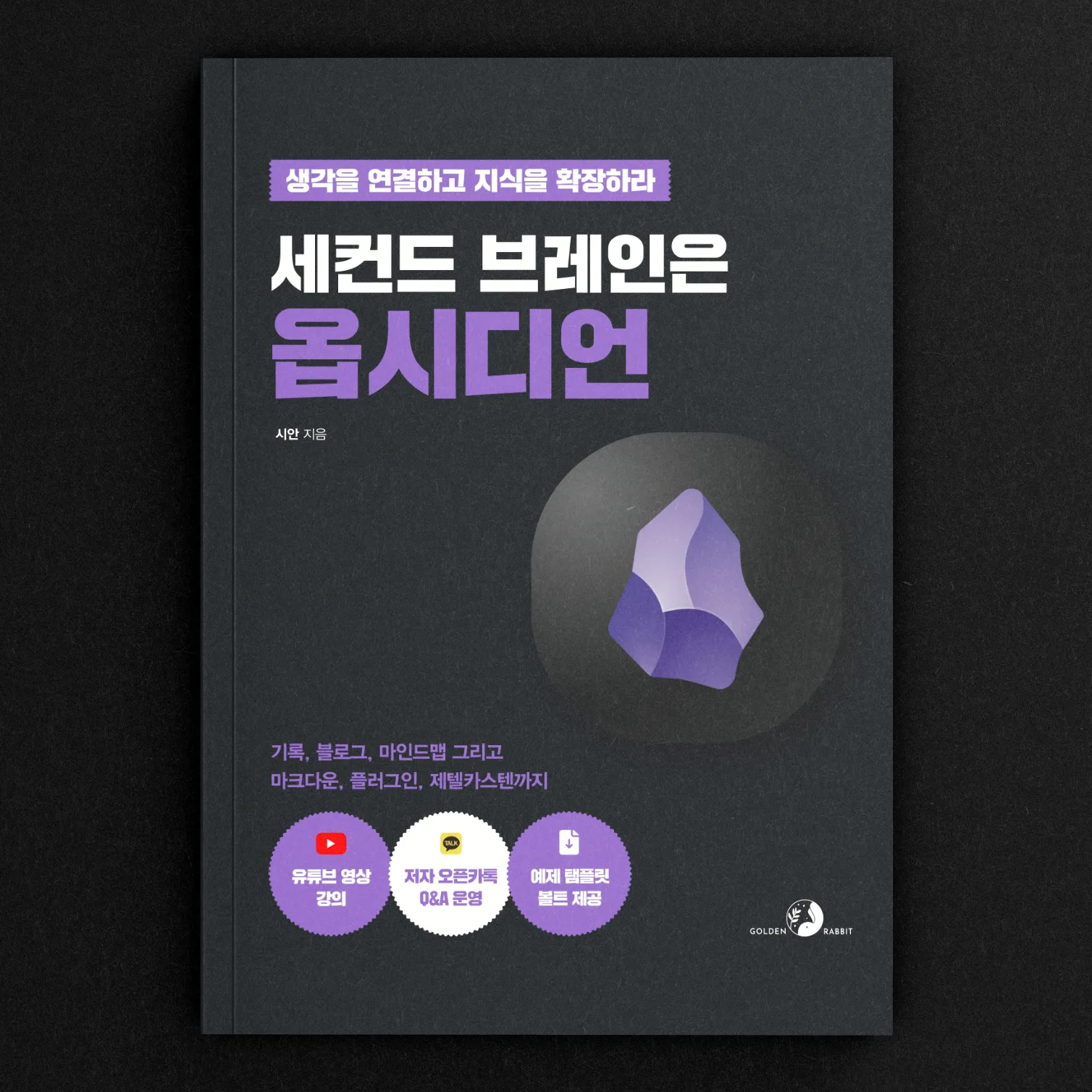
I wrote a book for the first time. Checking the manuscript's character count, it comes to about 130,000 characters. Even if it's a practical guide, there's a certain pride in having written something this long on a single topic. All sorts of things happened while I was writing it, so I can't help but write a retrospective.
The offer arrives: October 10, 2023
I wrote and published a book for the first time. An email came from Golden Rabbit, a publisher specializing in developer books, offering to publish. I thought about it. Writing a book is going to take an absurd amount of time....
After a few days of deliberating, I decided to write it. The main motivation was the fact that there still wasn't a proper Obsidian book in Korea. And right around that time, I saw the publisher had put out a book by Woowa Brothers. So it probably wasn't a shady publisher, I figured. This is an opportunity.

So I replied to the offer email.
Smooth sailing early on
After visiting the publisher for a meeting, I agreed to write a sample manuscript1. I said the book wouldn't focus solely on explaining Obsidian's features — it would also cover things like PARA and Zettelkasten. That seemed like the way to make it competitive.
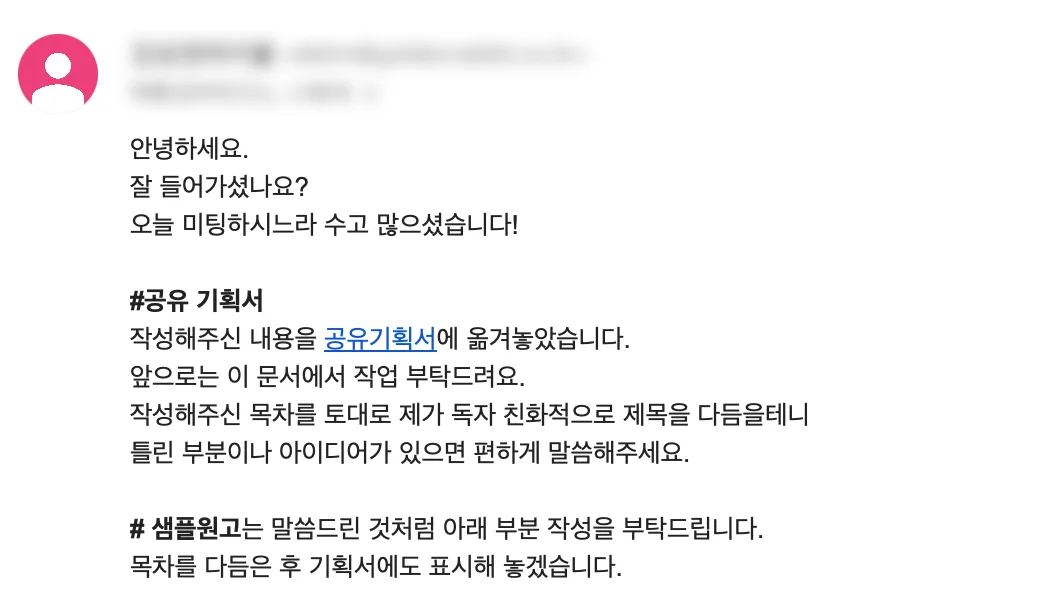
For the sample manuscript, we settled on just 30 pages covering Obsidian installation, Markdown, and an explanation of PARA and Zettelkasten. The PARA and Zettelkasten parts came together quickly because I already had plenty of notes on them. And the Obsidian feature explanations came together fast too. This was when I realized that screenshots are a great tool for padding out your page count in a hurry.2
A practical guide that doesn't feel like one
This is an Obsidian book, but it isn't the kind of pure how-to guide you'd call You Can Do It! Master Obsidian in a Single Day! People say Obsidian is hard, but at the end of the day it's a note-taking app — how hard could it be? I also think that explaining nothing but features is a bit stale, so I wanted to mix in at least one pass at "what's a good way to write notes?" Existing Notion guides devote huge chunks of the book to useless material or focus on templates.
That said, I couldn't make the whole thing theoretical and difficult either. People who want that learn everything they need off the internet in the first place. There's no reason for them to buy a book. So I compromised on the content accordingly.
Parts 1 and 2 focus on explaining Obsidian's features, and Part 3 covers PARA and Zettelkasten. That makes Part 3 the section I was most invested in while writing. Part 4 returns to Obsidian and packs in all the hard stuff — HTML, CSS, Dataview. In other words, I structured the content to target everyone from beginners to advanced users.
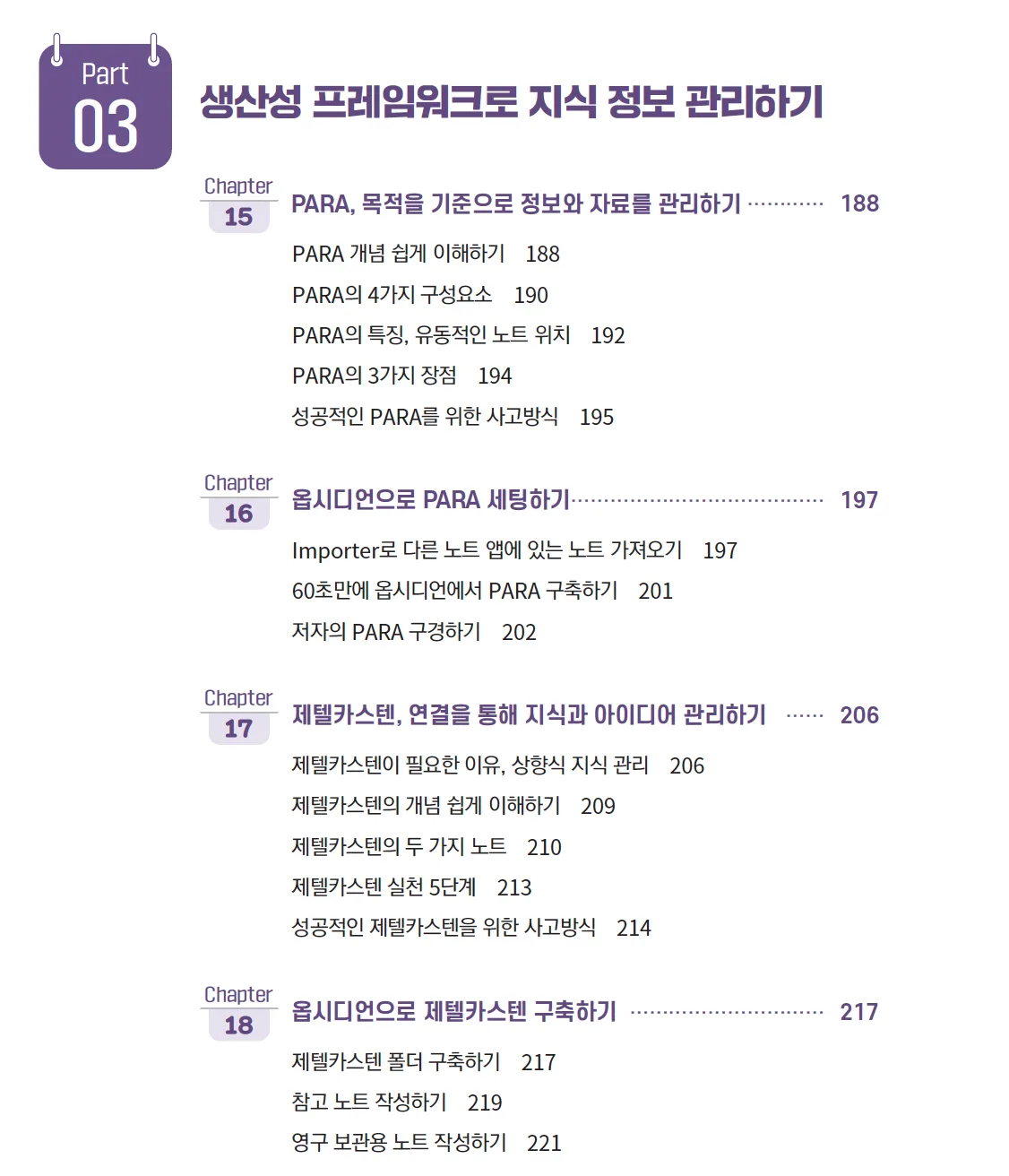
I know marketing teaches you to define your target clearly and avoid vague mash-ups. But with Obsidian, there was no other way. Obsidian itself is niche to begin with, so the content it covers can't also be niche. It has to be comprehensive. You need the easy material and the hard material both, so that a competing book coming along later faces a hurdle. The point is to demand not just quality of feature explanations but a hurdle of experience.
Writer's Block
At first the pages flew by, but at a certain point I got stuck. It felt like I'd reached the culminating point of book-writing. Obsidian material needs to keep churning in my head, and it wasn't churning. I didn't want to think anymore.
This actually turned out to be the same problem across other work, not just the book. The drowsiness started flaring up and I didn't want to do anything at all. In the end I had no choice but to suspend the newsletter I'd been running.
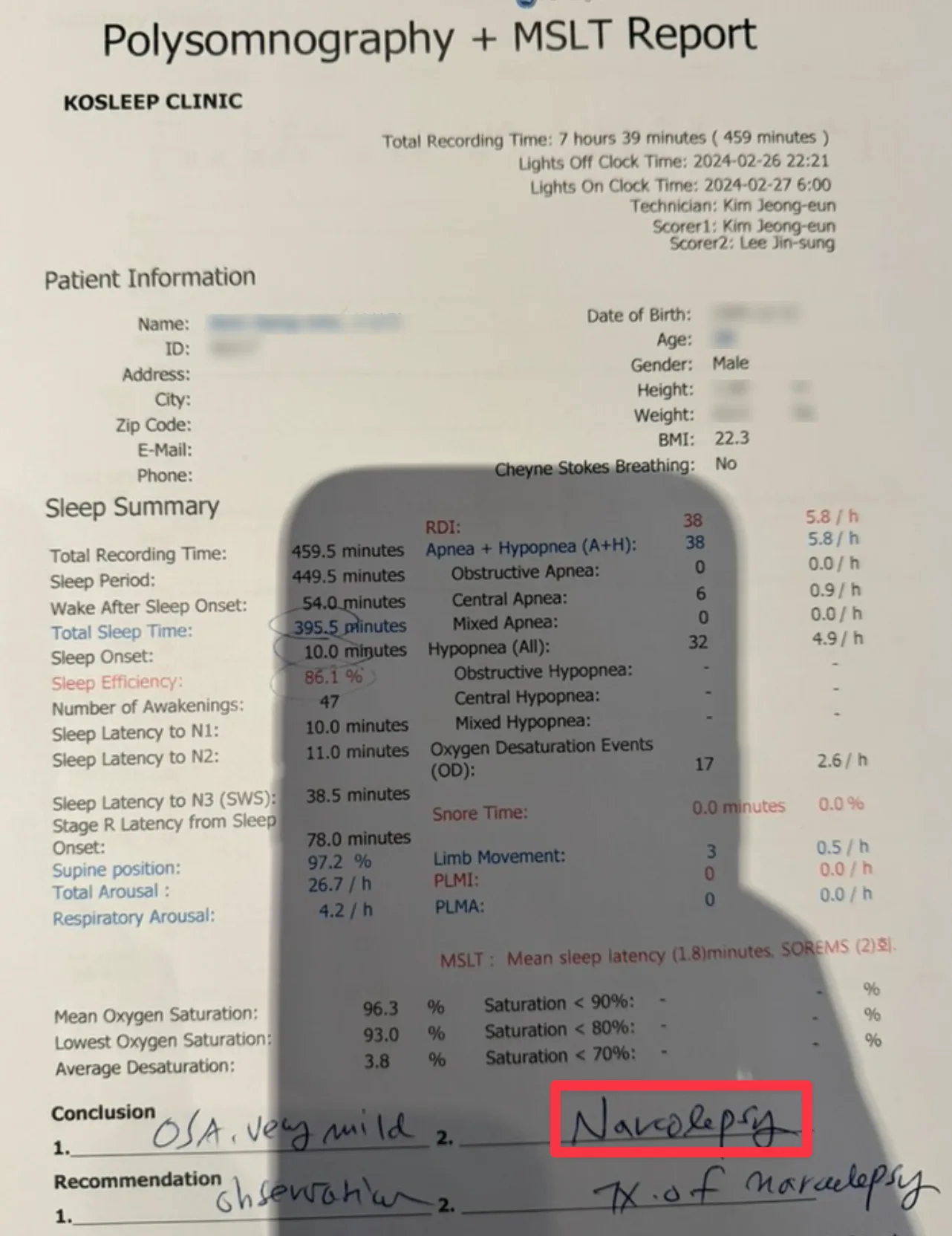
I went diligently to psychiatry, took Concerta, tried a family medicine clinic, switched psychiatrists, was told there to try a sleep clinic, underwent a polysomnography and a multiple sleep latency test, and finally received a diagnosis of narcolepsy3. Packed into that one sentence are a great many attempts and a great deal of money spent. And even with a narcolepsy diagnosis, there's still the optimization process of finding the right medication and dosage.
When you're stuck while writing, what you need are the ideas and seed sentences that let the writing grow. These aren't something you get by agonizing over them — a natural, pleasant state of mind is what matters. You have to gather notes the way you'd head out into a field and pick up stones one by one to build a stone wall.
But for the parts explaining Obsidian's features, I hadn't gathered those natural stones. Since I had no notes related to Obsidian's features, I had no choice but to write from scratch. Some features I don't actually use much, but to make the content complete I had no choice but to deliberately use them and explain them. And some of the features I forced myself to try turned out to be more worth sticking with than I'd expected. You end up learning more by writing a book.
When motivation runs low, what I come back to is why I started writing this book. I took it on because I thought, "this is a book someone genuinely needs." Motivating yourself like this is the only way forward. For the record, money wasn't among my motivations for writing. Not because I don't care about money — as I'll get to later, books don't make money
Terminology
Part 3, which explains PARA and Zettelkasten, is meant to give you the sense that you're learning something. So it even goes into AI and comparing note similarity — feeding note content into an embedding model and analyzing the resulting vectors with cosine similarity. Explain it that way to people with engineering degrees and they mostly get it. But the moment you try to explain this in a practical guide, it gets awkward.
Never mind the embedding model — you end up needing to explain vector first. Because vectors were dropped from the high school curriculum. If they were still in the curriculum I could skip the explanation and quietly move on, but they're gone, so I have to explain. And I can't explain a vector as something with magnitude and direction. Run something through the embedding model used in the book's examples and you get a 3192-dimensional vector, and you can't explain a 3192-dimensional vector in terms of magnitude and force. So the way I explained vectors was:
A vector is... a list of numbers!
"Then what's the difference from a sequence?"
"Sian doesn't know about that stuff. I'm going with 'a list of numbers.'"
Terminology shouldn't be made difficult in the name of preserving definitions, and it shouldn't be wrong either. During revisions with my editor, there was a line saying "HTML and CSS are programming knowledge," which we changed to development knowledge. Personally, I think for people with no development knowledge or interest, it's better to just say HTML and CSS are programming languages. The moment you start in on markup languages and stylesheet languages, it only gets more confusing. But I changed it in case someone would go "HTML and CSS are programming languages?!" and leave a one-star review.
And then, the curse of knowledge
Explaining things simply depends less on my ability than on the editor's. Because I'm under the curse of knowledge, I don't really know which terms and explanations are hard. This is something the editor has to catch, and the editor assigned to me did it wonderfully.
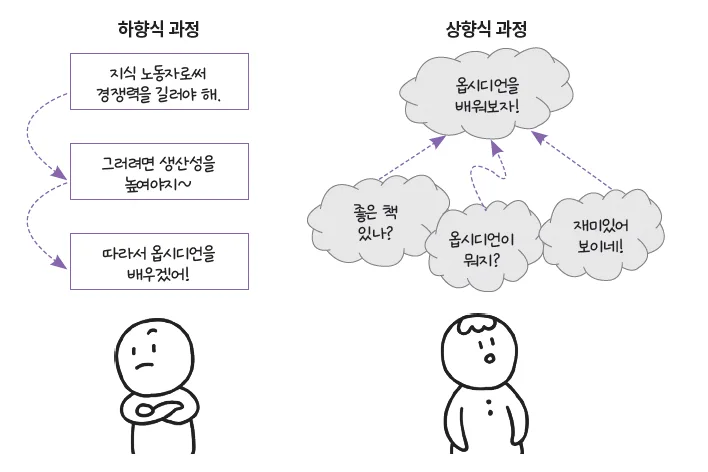
They also gave active feedback on how the content was organized. I had thought about the book's structure by topic, so I'd gathered everything related to viewing notes in one place. That is, search, graph view, Dataview and so on were all going to be introduced in a single chapter. But the editor proposed pulling the hard parts — HTML, CSS, Dataview — out into a final Part 4, and I think that call was right.
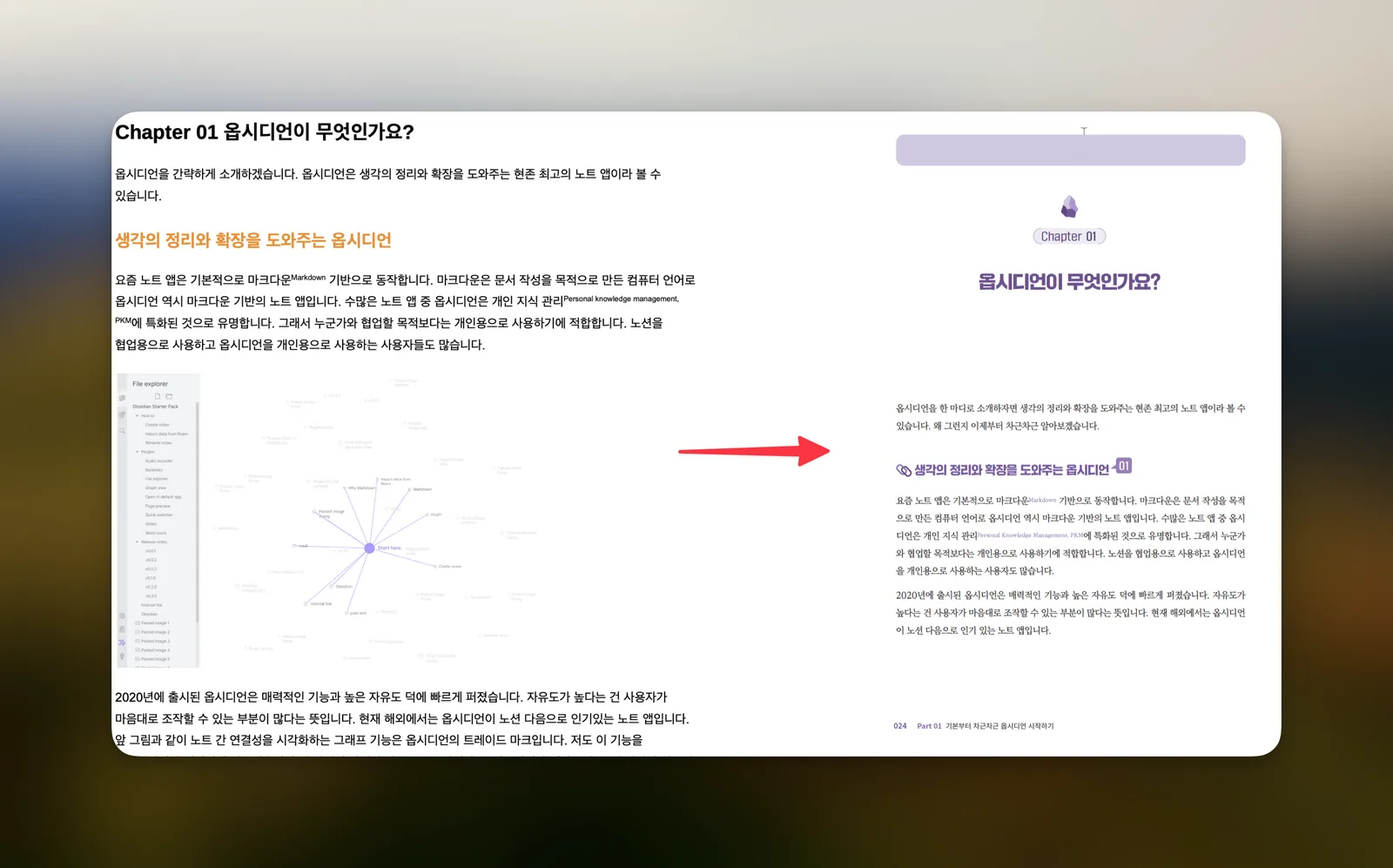
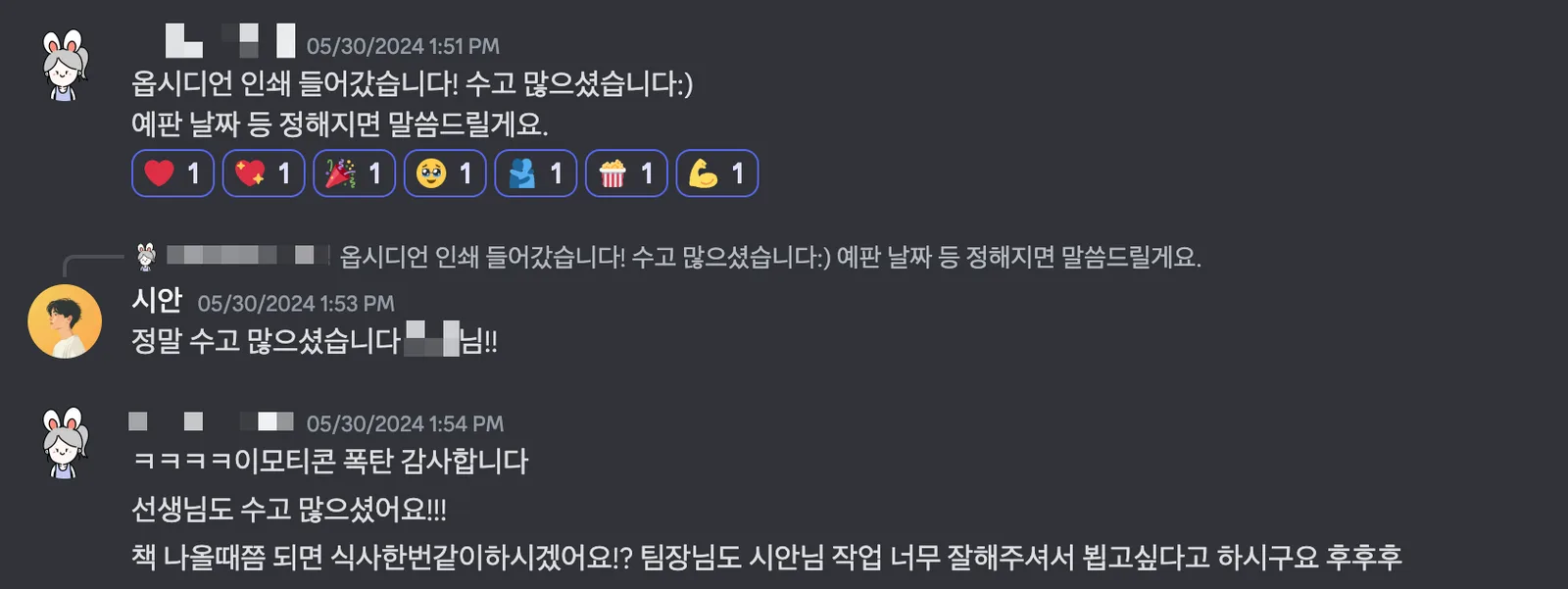
And the publisher's help didn't stop there. Once it goes through typesetting, it becomes an entirely different book. I wrote this? It looks like the publisher wrote it, not me. Hmm.... looks like the publisher carried this book. Then again, I hear it's rare for a manuscript to come in properly done, so allow me a little self-congratulation (?)
What doesn't end when the manuscript does
Publishing a book isn't something you can wrap up as personal self-improvement with a "what a great experience~" and be done. People who had nothing to do with you are now running alongside you toward the goal of making money. If I ignore marketability and stubbornly insist on the content I want to talk about, I walk away with a good experience and the publisher walks away in the red.
Which is why after publication, sales work is mandatory. For a developer like me, that's the hard part. You have to put on a thick skin and let people know you've published a book, and you have to be prepared for some of them to hear he's peddling books. I smell money. He's lost his way and turn their backs. And being prepared to do sales doesn't settle the matter either. Even this kind of flyer-handing work, if you start shoving it in people's faces with a thick skin, only breeds resentment. You need a way to push that's appropriately calibrated.
The reason book and course peddlers get flak is that the selling shows too much. Desire may be the motive and the purpose behind making the product, but the moment it shows plainly, it turns ugly. Just like you shouldn't reveal, on a blind date, how badly you want to meet someone or get married. That isn't being honest, it's being blatant, and the person watching feels like they've become a means to an end.
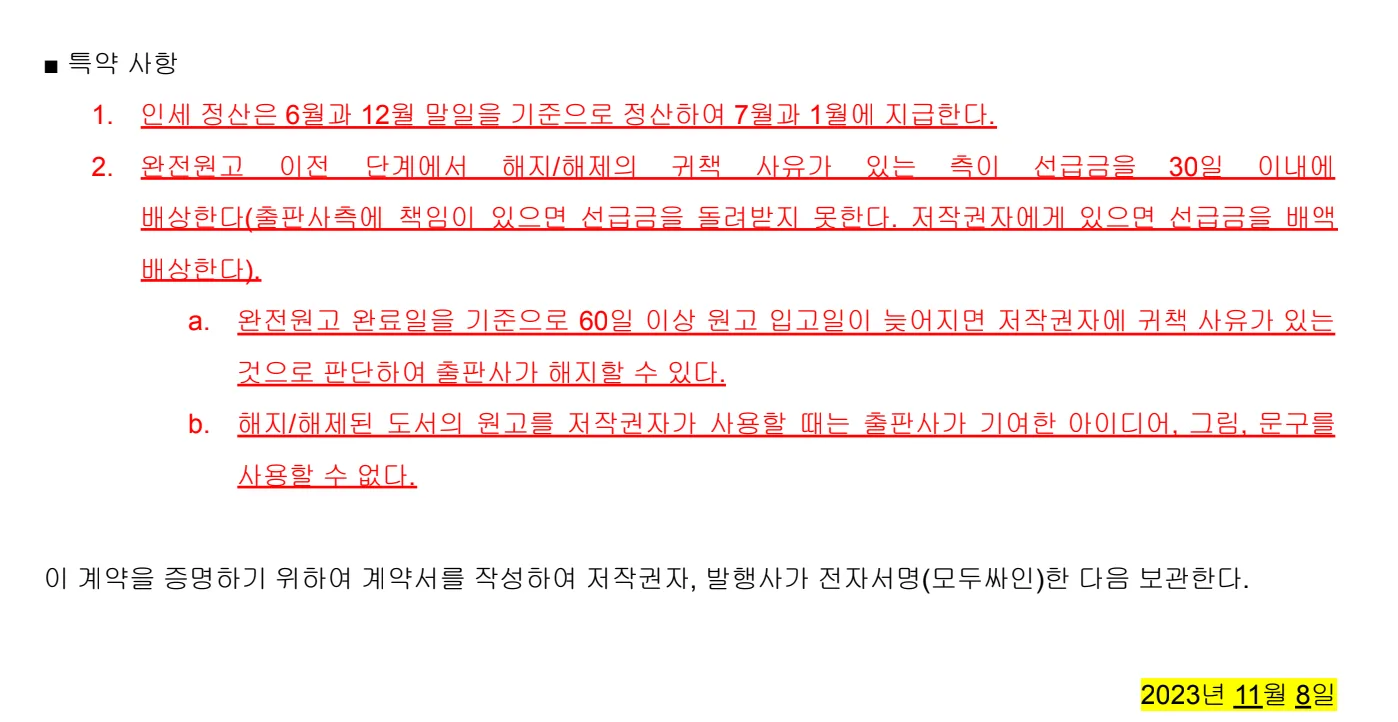
In my partial defense: it's hard for an author to touch money through publishing. It takes far too much labor. If you want more money for the labor, you're better off making an ebook and putting it on Kmong, or self-publishing. Or building a funnel on Instagram with card news posts: "Follow me and comment 'Obsidian' and I'll DM you a free ebook!"
A book published in collaboration with a publisher is honestly less about the author making money and more about branding — please notice me! Royalties on practical guides are reportedly 8–12%, so what do you think Sian's royalty rate came out to, having never written a book before? And how many copies does a practical guide sell? Books don't sell well in this country. In the end, the writer's purpose in writing is to build content with real structure, keep from going off the rails, take in feedback, and reach an audience. So if you're going to give someone flak for promoting their own book, calling them an attention-seeker is more accurate than calling them money-grubbing.
Trauma about length
I think writing this book was harder than writing my master's thesis in English at KAIST. Because a thesis is logically structured. And there's a framework already in place to some degree. A book isn't like that. Or maybe the medium isn't what matters — maybe it's that comparing the absolute standard of graduating against the relative standard of the market, they're not in the same league of difficulty.
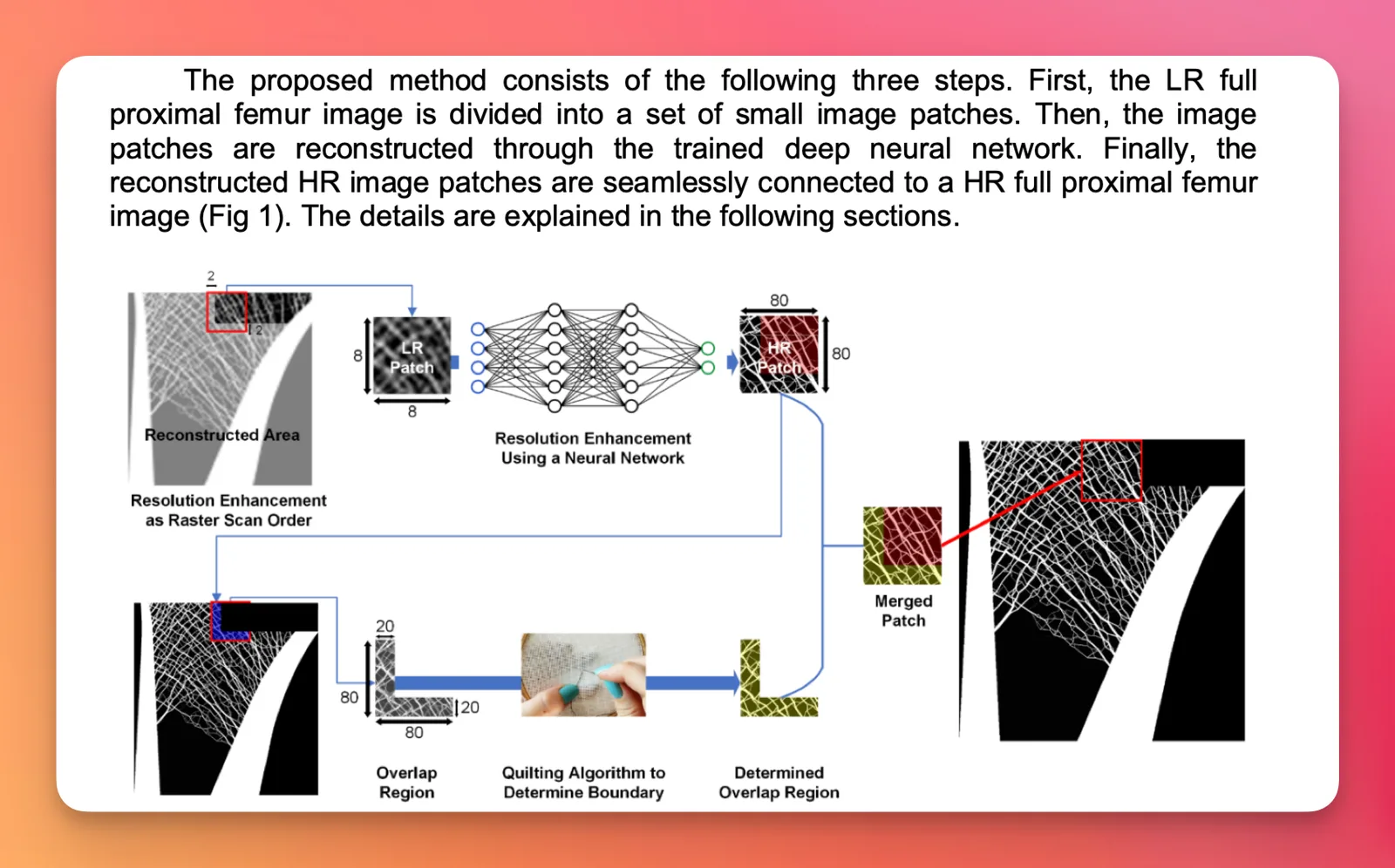
With my master's thesis, I had trauma about length. Somehow it felt like I'd written everything there was to write and it still looked too short. I did in fact get feedback that my master's thesis was short. I thought I'd said everything I had to say... Worries about length came up during this book too, but writing it let me put them to rest. So I can write long-form after all.
On writing a book
If you get the chance, writing a book seems like a good thing to do. Even — especially — while holding down a job. Setting aside the side income and the branding, you get to know a new world and see what you look like in a new situation. Writing more than 100,000 characters on a single topic over a long stretch of time is not an opportunity that comes easily. This project gave me a lot of experience. Writing a newsletter, a team merger, narcolepsy treatment, ObsiCon — I went through a real variety of events along the way. These eight months were the busiest eight months of my life, and they let me grow in a number of directions.
I've been leveling up this whole time, so now I'm going to start moving again.
Footnotes
-
A sample manuscript means writing about 30 pages in advance — it's both practice and the publisher's way of verifying, before signing a contract, whether "we can trust this person to work with us." Roughly 30 pages will do. ↩
-
I found out too late, but I should have used CleanShot X on the Mac. ↩
-
Think of it as a condition where you sleep a lot. That said, it doesn't mean suddenly collapsing into sleep like in the movies. If you suspect narcolepsy, I recommend the Cosleep Sleep Clinic in Seolleung. For sleep, I think they're the best in Korea. ↩